
Table of Contents
E-commerce has become a major driver of global trade, making shipping operations a crucial extension of the online buying experience. To maintain customer satisfaction and trust, shipping companies must implement effective measures that ensure packages arrive safely and without damage. Achieving this requires a series of coordinated, detailed steps throughout the logistics chain.
Key Factors That Affect Shipment Safety
Many elements can cause shipment damage, ranging from environmental conditions to improper handling, storage, and packaging. Below are the most common risk factors that shipping companies must avoid:
1. Poor Handling During the Shipping Process
Packages go through multiple hands along the supply chain, increasing the risk of mishandling. Shipping companies must provide proper training for workers, especially when handling fragile or high-risk items clearly marked as breakable.
2. Weather-Related Damage
Rain, humidity, temperature fluctuations, and direct sunlight can all harm shipments. For example, changing humidity levels inside containers may lead to mold growth, which causes corrosion and damage. To prevent such issues, goods should be placed in weather-resistant boxes and properly sealed.
3. Exposure to Pests
Food products and similar shipments require clean, pest-free storage areas. Insects and rodents can spoil and damage goods quickly. Using sealed, pest-resistant packaging helps keep cargo protected.
4. Poor Packaging Quality
Before shipping, items must be packed using materials suitable for their type and sensitivity. Some goods may require bubble wrap or air cushions, while others need foam-filled boxes or simple kraft-paper wrapping. Choosing the wrong packaging can make shipments vulnerable to shocks and impacts.
Practical Steps to Prevent Shipment Damage
Implementing the proper packaging and logistics procedures can significantly improve shipment safety:
1. Choose the Right Box Size
Select a box that closely fits the item to prevent unnecessary movement. Any empty spaces should be filled with stabilizing materials.
2. Wrap Each Fragile Item Separately
If a shipment contains multiple breakable components, each part must be wrapped individually before placing them together in a padded outer package.
3. Fill All Empty Spaces
Use appropriate filler materials to ensure the item remains in place during transportation. This is essential for electronics and sensitive products that can be damaged by even minor vibrations.
4. Test the Shipping Process
When working with a new carrier, performing trial shipments helps evaluate their handling quality and accuracy in delivery.
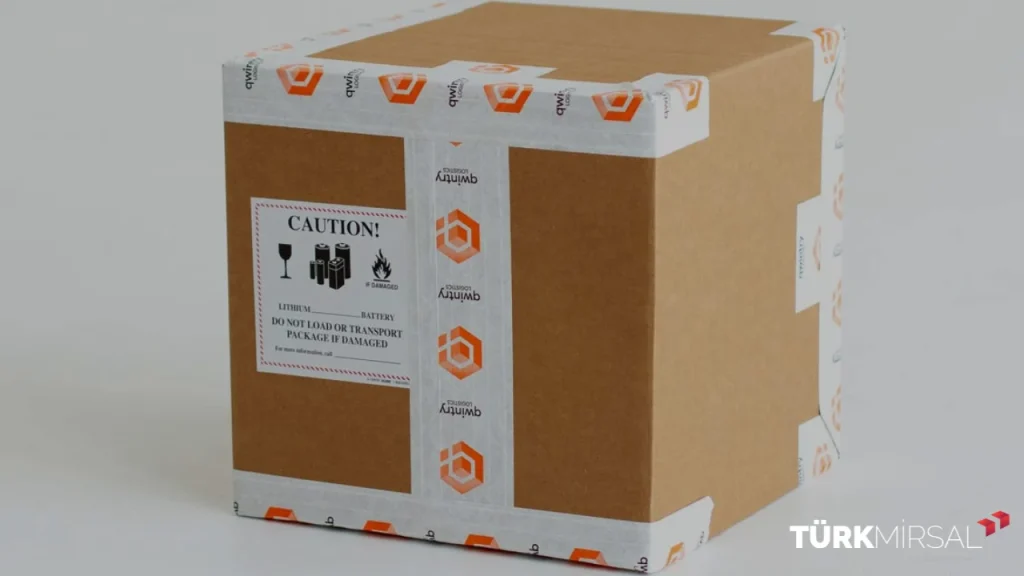
5. Label Fragile Shipments Clearly
Packages containing fragile, flammable, or chemical materials must be marked with clear warning labels to ensure careful handling.
6. Use Shock Indicators
These inexpensive devices attach to packages and reveal whether the shipment experienced rough handling. They help identify when and where damage occurred.
7. Track Damage Reports
Collecting data on damaged packages—such as type, cause, and handling stage—helps improve processes and reduce future incidents.
8. Automate Packaging Procedures
Digital tools and packaging software can determine the optimal boxing and cushioning method based on weight, size, and type of product. This minimizes human error and ensures consistent packaging quality.
Shipping Company Responsibility
Determining liability for damaged shipments can be challenging since senders cannot see what happens to their packages throughout transit. However, choosing carriers that offer insurance protects customers by allowing them to file claims in cases of loss or damage.
Conclusion
Preventing shipment damage is a complex but essential process for the success of any shipping company. The reliability and reputation of a logistics provider are measured by the percentage of packages delivered safely. Since the growth of e-commerce depends heavily on reliable shipping performance, companies are increasingly investing in modern technologies to strengthen packaging, handling, and transportation processes.