

Table of Contents
Inventory is one of the largest assets on the balance sheet for most businesses. Therefore, managing it effectively through periodic inventory systems is crucial to providing excellent customer service, ensuring timely deliveries, and accurately calculating profit margins.
Read on to learn everything about periodic inventory and its significance for e-commerce businesses.

What Is Periodic Inventory?
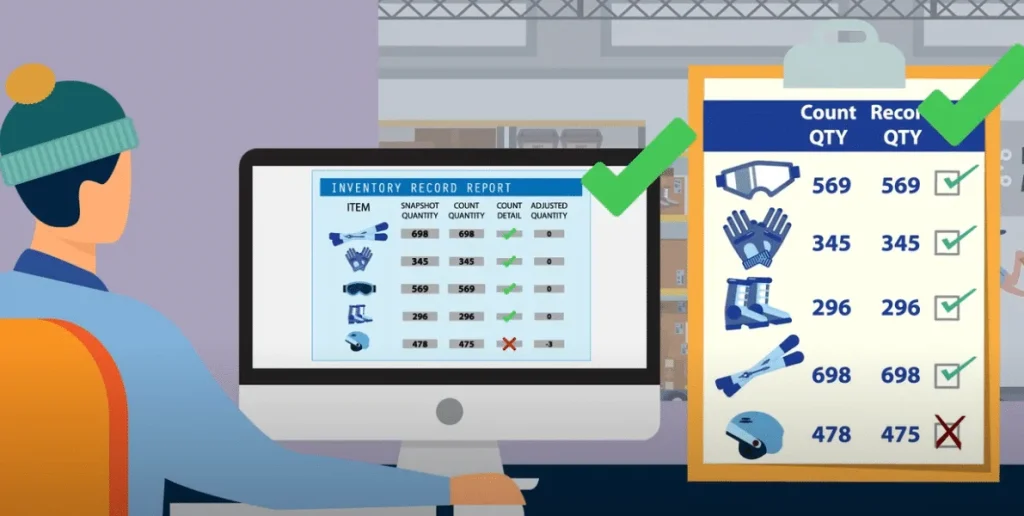
Periodic inventory is the process of auditing inventory by counting specific items or locations on a scheduled basis. Unlike a full inventory count, periodic inventory is performed in cycles, counting portions of inventory gradually rather than all at once.
This approach can involve counting different sections of a warehouse daily, weekly, or monthly, depending on product types, quantities, and storage locations.
Example:
- Fast-moving, small-size items may be counted weekly.
- Large appliances or infrequently sold products may be counted monthly.
Importance of Periodic Inventory for E-Commerce
The primary purpose of inventory auditing is to determine the actual stock available in warehouses and fulfillment centers. For e-commerce businesses, regularly monitoring inventory ensures accurate data for operations and sales. Key benefits include:
1. Accurate Inventory Tracking
Periodic inventory allows businesses to maintain a clear view of stock levels across multiple sales channels and warehouse locations. This ensures managers can quickly identify available products and prevent stockouts.
2. Improved Order Fulfillment
By knowing what products are in stock, businesses can mark out-of-stock items appropriately, avoiding customer disappointment. Additionally, products available in different warehouses can be shipped from the most convenient location.
3. Reduced Workload
Periodic inventory distributes the workload across the year, reducing the pressure of annual full counts and ensuring more manageable operations.
4. Simplified Inventory Planning
Automated systems can schedule inventory cycles and generate detailed reports, enabling businesses to compare stock levels across different periods and years. This insight supports better market analysis and maximizes profits.

Types of Inventory Systems
Businesses vary in how often and what type of inventory counting they conduct:
1. Periodic Inventory
Counts are conducted regularly, often daily, weekly, or monthly, focusing on fast-moving items.
2. Seasonal Inventory
Aligned with seasonal trends, businesses perform inventory checks to clear old stock and prepare for upcoming seasonal products. For example, food businesses may check for soon-to-expire items.
3. Annual Inventory
Typically used by businesses with fewer items or those not using automated systems. Annual counts correct discrepancies and ensure accurate records.
Best Practices for Periodic Inventory in E-Commerce
To conduct periodic inventory efficiently without disrupting operations, consider the following practices:
- Plan and Prepare: Large counts may take one or two days. Schedule and distribute tasks in advance.
- Remove Damaged or Unsellable Products: Clearing inventory beforehand reduces obstacles and frees space.
- Scan Returned Items: Including returned units simplifies counting.
- Fulfill Open Orders Before Counting: Ensures accuracy during the count.
- Pause Normal Operations: Temporarily halt receiving, transfers, picking, packing, shipping, and returns during inventory counts.
- Involve IT Specialists: Ensure data connections and systems function properly throughout the inventory process.
- Perform Quality Checks: Verify products match records after the count.
Conclusion
Periodic inventory simplifies warehouse management, provides accurate insights into stock levels, and supports better business decisions. For e-commerce businesses, it ensures smoother operations, improved order fulfillment, and higher profit margins.