
Table of Contents
The global shipping crisis has disrupted supply chains around the world, affecting traders, consumers, and markets across all sectors. This disruption has driven up the prices of goods and commodities, pushing manufacturing nations and major shipping companies to adopt various measures to reduce its negative impact.
The crisis was marked by severe delays in shipping operations and a significant shortage of containers and vessels, resulting in high demand for freight transport and a sharp rise in shipping costs. This article provides detailed insights into the causes, consequences, and potential solutions to the global shipping crisis.
Causes of the Global Shipping Crisis and Supply Chain Disruptions
The COVID-19 pandemic played a major role in triggering the global shipping crisis. Widespread lockdowns disrupted economies and created severe supply chain imbalances due to several factors:
1. Container Shortages
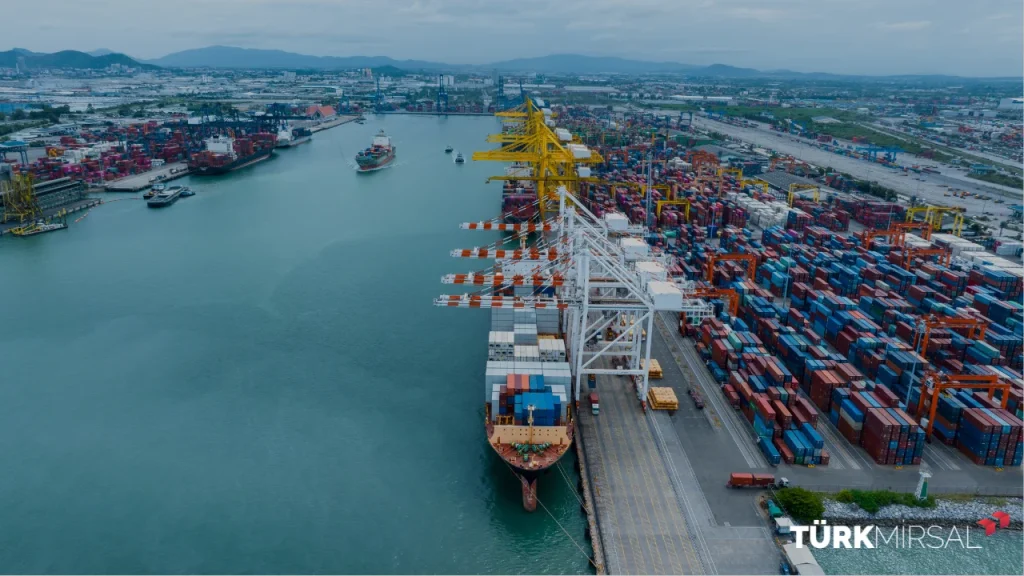
Many ports around the world experienced repeated closures, and vessels remained stranded at sea with their cargo. This led to severe congestion in key maritime routes, forcing ships to wait for days or weeks before unloading.
Some of the most affected ports included:
- Port of Los Angeles, which saw more than 70 ships anchored offshore
- Port of Felixstowe in the UK
- Port of Singapore
Unloading operations slowed down due to government-imposed restrictions, workforce shortages, and a lack of truck drivers. As containers piled up in ports and storage capacity reached its limit, delays cascaded across global supply chains. Asian manufacturing countries, in particular, suffered from a shortage of empty containers—returning at a rate of just 1 out of every 4 from the United States.
2. Disruption to Production
Despite the surge in online shopping, companies were reluctant to increase production out of fear of a global economic downturn. Limited storage capacity for raw materials also contributed to a wide gap between supply and demand.
Some products required up to 10 times longer to manufacture due to delays in sourcing materials, further intensifying demand for shipping.
3. Hoarding of Goods
Manufacturers and importers began stockpiling goods rather than distributing them, worsening the shortage and pushing shipping demand even higher.
4. The Rise of Online Shopping
Millions of people turned to e-commerce during lockdowns to buy furniture, electronics, paint, clothing, and home goods. This surge heavily strained global shipping capacity.
5. The Ever Given Incident in the Suez Canal
The grounding of the Evergreen (Ever Given) vessel in the Suez Canal further amplified global supply chain pressure and intensified shipping delays.
Consequences of the Supply Chain Disruptions
The breakdown in supply chains led to a sharp rise in prices, driven by several factors:
1. Increased Demand
Higher demand enabled companies to raise prices and increase profit margins, knowing consumers were willing to pay more.
2. Delays in Production and Shipping
Slow manufacturing rates reduced available inventory. When supply is limited, companies cannot offer discounts or competitive pricing.
3. Higher Shipping Costs
Shipping costs reached record levels.
For example:
- The cost of a 40-foot container on major East–West routes increased by 360% by August 19, 2021.
- Shipping a 40-foot container from Shanghai to Rotterdam surged by 659%, reaching an all-time high.
Strategies to Reduce Supply Chain Disruptions
Manufacturing countries and global shipping companies introduced several measures to alleviate the crisis:
1. Expanding Air and Land Freight Capacity
The U.S. and several European countries shifted certain types of cargo from sea to land. Airlines also adapted passenger aircraft for cargo use to increase air freight capacity.
2. Building New Ships
Since maritime shipping accounts for nearly 90% of global trade, easing pressure is not simple.
Major shipping companies placed orders for new, eco-friendly vessels—such as eight methanol-powered container ships—to reduce emissions and expand capacity. However, these vessels were not expected to enter service until 2023.
3. Improving Port Infrastructure
Upgrades included expanding port capacity, increasing warehouse space, enhancing rail systems, and improving road logistics to handle higher volumes of goods.
4. Diversifying Suppliers
Relying on a single supplier increases vulnerability to disruptions. Diversifying sources helps balance supply and prevents sudden shortages.
5. Shortening Supply Chains
Many U.S. companies shifted part of their operations from China to countries in Latin America—such as Mexico and Brazil—to reduce shipping costs and shorten delivery times.
6. Promoting Only Available Products
Marketing goods with low inventory levels created unnecessary pressure on shipping demand. Companies shifted to promoting items that were actually in stock to reduce strain on global supply networks.
Conclusion
The global shipping crisis pushed freight costs to unprecedented heights. Although shipping prices have started to gradually decline, recovery depends on several factors:
- Manufacturing capacity to quickly meet rising demand
- The entry of new vessels into service
- Continued improvements in global logistics infrastructure
Governments and companies now face significant challenges in making supply chains more resilient, agile, and adaptable to future crises.